The Importance of Two-Way Radio Communication for Hotels
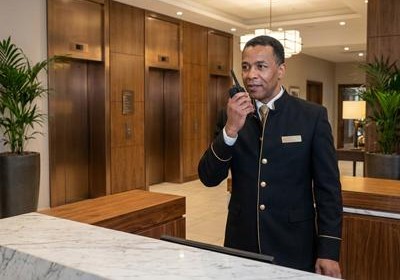
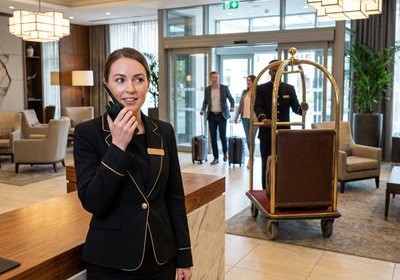
Guest satisfaction is the primary objective for any hotelier. In an industry built on reputation, a delayed response or missed communication can be the difference between a five-star review and a lost customer. To meet these expectations, hotel staff require tools that facilitate fast, effective and discreet responses to guest requirements.
For this reason, two-way radios are commonly used within the UK hotel industry. They bridge the gap between the front desk and the rest of the building, ensuring that all team members are only a button-press away. However, because every hotel layout is unique, selecting the right radio tech is key to avoiding signal loss.
In this article, we list the different types of two-way radio systems and the types of environments they perform best in, so that you can chose the communication solution that works best for your hospitality venue.
Popular Setups Depending on the size and structure of the building, hotels typically rely on a combination of solutions. Examples of these include:
UHF radios: For most hotels, UHF (Ultra High Frequency) radios are a popular choice due to UHF signals being specifically designed to penetrate the concrete and steel found in modern hotel architecture.
Licensed radios: These offer higher power dedicated frequencies that provide privacy while reducing interference. They also allow for multi-channel support so that Housekeeping, Security and Management don’t talk over one another.
Repeaters: While smaller hotels may thrive on simple back to back models, larger buildings often benefit from a repeater system to boost signals and ensure comprehensive coverage from the basement to the penthouse.
A Modern Alternative: IP and Wi-Fi Radio Systems
If your hotel already boasts full Wi-Fi coverage, an IP Radio System offers a cost-effective alternative to traditional two-way radios. As they leverage the existing Wi-Fi infrastructure, these radios eliminate the need for cabling, antennas and signal boosters. They also don’t need licences, making them a hassle-free solution that can be deployed quickly without the need for upfront installation cost.
Easy Integration: By connecting a control server to your existing wireless network, you can establish a high-quality communication web without additional cabling.
Advanced Dispatching: Using a PC Dispatcher, management can monitor the entire system from a desk. Features like real-time map tracking allow you to see exactly where employees are located, optimising task delegation.
Global Connectivity: When connected via an Internet VPN, IP systems can link staff across different hotel branches, even if they are in different locations.
Evaluate Before You Invest
Before committing to a two-way radio system for your business, certain considerations should be made to ensure a successful rollout. Examples of these include:
Site Surveys: A professional site survey is great for identifying 'dead zones.' Mapping your premises beforehand uncovers hidden signal obstacles, allowing you to address coverage gaps before they impact your service.
Battery Life: Considering the length of time your workers spend on each shift will help you understand the importance of radio battery life. Lithium-ion batteries can provide between 8-14 hours of use on a single charge and are a wise choice for radios that need to be used continuously.
Charging Solutions: Multi-unit fast chargers are essential for back-to-back shifts and providing them alongside the handsets will ensure your radio fleet remains powered and ready to go 24/7.
Why Choose Icom?
Icom radios come in a wide range of solutions well suited to the hospitality sector. Whether you need simple, license-free handsets or sophisticated systems with GPS tracking and safety features, Icom radios are designed to provide reliable communication for every hotel setting.
If you would like more information on Icom two-way radios for your business, contact our sales staff on 01227 741741 or via email
sales@icomuk.co.uk.